
|
||||
|
|
||||
|
As with all the pages/sections on this site that deal with examples and/or sites with Native American artifacts/relics on them, I am not promoting the site for any type of personal gain. I am putting their sites here so that others might be able to enjoy the wonderful work of the Native American which for the most part is not only utilitarian but an art form all of its own. Then, if they wish go to that particular site for further excursions on their own. I came across a lot of nice sites, however, some I did not even venture to look inside. One reason is that if the prices are given in United Kingdom Pounds….well, it is bad enough that half the time you can not tell if an item is Native American Made or not, but at least they are made in the U.S. Another reason is that I refuse to have much confidence in a site supposedly dedicated to Native American Collectibles and the first items you see available are “Grateful Dead” albums….. “Ceremonial pipes were used for prayer and meditation and it is believed that it will give the keeper great powers as long as he lives an honorable life, if not, the powers will leave. It is believed that as the smoke tendrils rise upwards that prayers are delivered to the Creator. One does not own a pipe but rather is the keeper of the pipe, reflecting the native belief in responsibility rather than ownership.” Author Unknown Since ancient times, Indians have used tobacco to show reverence to The Great Spirit, and respect for each other. Tobacco is used in daily offerings such as sprinkling tobacco to ask The Great Spirit for strength or a safe journey to or from home. Also, Gifts of Tobacco are used to give to various respected people that another wishes to speak with. White explorers began to make it a habit (very possibly one of survival!) by carrying pipes in case of chance meetings with Indians because meetings were held and agreements sealed by smoking a ceremonial pipe. The term "peace pipe" or “Pipe of Peace” arose from the idea that smoking the pipe, first initiated by the Native American, during the signing of a peace treaty signified peace and friendship. I can not say, if this designation was used by Native Americans and then “borrowed” by the Euro-Americans, or if as with many things, adapted from another Native American term/phrase or concept. Large and intricately decorated, the ceremonial pipes were stored in beautiful bags embroidered with beads and quills among other decorations. It was an honor to be selected to “hold” a peace pipe. Accordingly, at least among Native Americans, this is a tradition that continues today. In modern times, the term "peace pipe" has a much broader definition that refers to many different kinds of pipes. Meaning, of course, the broader definition is held by non-Indians. Be that as it may, one type of pipe is used in Native American religious ceremonies to commemorate or bless an event, such as the swearing in of an elected official, naming ceremonies for children, and groundbreaking for new buildings and facilities. Indians believe that the rising smoke carries messages to the Great Creator. I wish to hi-light a site here. This site does not have, that I can tell a lot of pipe picture examples, although it does have some very interesting pictures. However, it is very well done and extremely well written. It is as informative as one could ask for and is authored by a man and wife team with at least the man’s family history being well steeped in the art and spirituality of “the pipe”. I firmly believe that if you have any interest of delving into the mind and heart’s spirituality of the Native American, you do yourself a great disservice if you do not visit this site and give it the full attention it deserves. The man’s name is Running Elk and is a Dakota Sioux. His site is called Little Feather Center and the web site address is: www.littlefeathercenter.com/
|
||||
|
|
||||
|
Seven Seas Trading Company: www.7cs.com |
||||
| A lot to see and/or buy at this site, from prehistoric times to countries around the world! | ||||
| (CLICK ON IMAGE FOR FULL SIZE VIEW) | ||||

|

|
|||
| Woodland Frog Effigy Stone Pipe – E. Tennessee – circa 500-800 AD |
Woodland Bird Effigy Stone Pipe – Mississipian – circa 1200-1500 AD |
|||
 |
||||
| Sherwoods’ Spirit of America: www.sherwoodsspirit.com |
||||
| (CLICK ON IMAGE FOR FULL SIZE VIEW) | ||||
 |

|

|
||
| Sioux Celestial Pipe Bowl – circa 1880 THIS IS THE BIGGEST PICTURE |
Hopewell Culture Raven Effigy Pipe – circa 100 BC – 500 AD |
Ojibway Pipe – circa 1870 |
||
|

|
|

|
|
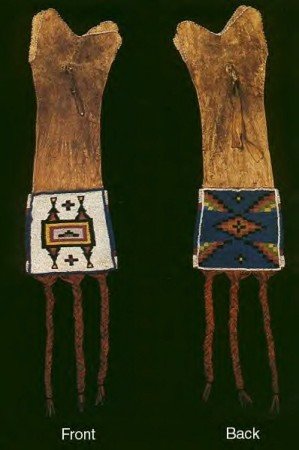
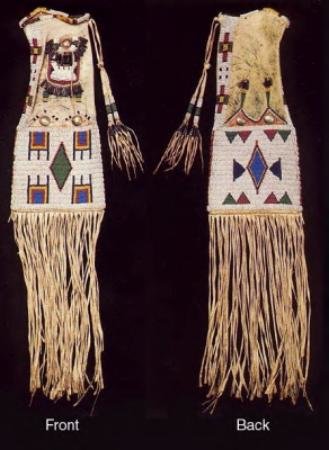
| Blood Tab Style Pipe Bag – circa 1870 | Ute/Shoshone Pipe Bag – circa 1870 | Sioux Pipe Bag w/Strike a Light Pouch – circa 1880 | Cheyenne Pipe Bag – circa 1885 | |
|
|
||||
|
IF ANY OF THESE LINKS DO NOT WORK PLEASE EMAIL THE . |
||||
|
|
||||

|
||||
|
||||
|
||||
|
||||
|
|
||||


 HEYA!
HEYA!|
|
|
|
|||
|
|
|||||
|
|||||
|
This Site Designed and Maintained By- Created June 6, 2002 Website Hosted by |
|||||


